Household rubbish clearance Ponders End EN3 local tips
Posted on 18/06/2026

If you live in Ponders End and the spare room, hallway, loft, or garden has quietly turned into a holding zone for old furniture, broken appliances, and the odd mystery bag, you are definitely not alone. Household rubbish clearance in Ponders End EN3 can feel simple at first, then suddenly it is half logistics, half timing, and half "where on earth did all this come from?" That maths does not add up, of course, but the pile somehow does.
This guide gives you practical, local tips for clearing household rubbish in a way that is tidy, safe, and efficient. It covers how clearance works, what to prepare, how to avoid common mistakes, and how to make sensible decisions if you want the job done properly the first time. There is a lot to think about, but once you break it down, it becomes far more manageable.
For readers who want a broader picture of services and support, you may also find the services overview useful, especially if your household clearance is part of a bigger move, renovation, or decluttering project.
Why Household rubbish clearance Ponders End EN3 local tips Matters
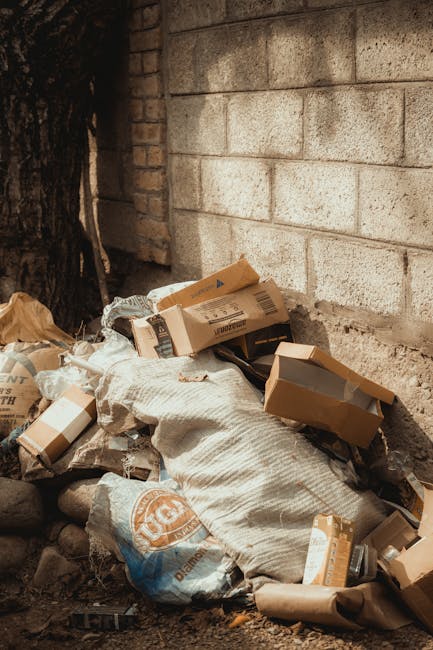
Ponders End has the same everyday pressures you see across much of North London: smaller storage spaces than people expect, busy streets, limited time, and homes that need to work hard. Whether you are in a terrace, flat, maisonette, or family house, rubbish builds up quickly. A broken wardrobe can sit in a corner for weeks. A garage becomes a dumping ground. Garden waste gets left after a weekend job because the bin is already full. It happens.
Local tips matter because rubbish clearance is not just about getting things removed. It is about choosing the right method for your street, your access, your time frame, and the type of waste involved. A house with narrow access, limited parking, or shared entrances needs a different approach from a detached property with a drive. If you ignore those small details, the day can get messy fast.
There is also a practical side to this. Some items can be reused, recycled, or separated more efficiently if you sort them in advance. That saves time, may reduce handling, and can make the whole clearance feel less overwhelming. A little planning goes a surprisingly long way.
For people moving home or preparing a property for sale, this becomes even more important. Clear rooms sell better, show better, and simply feel calmer. If you are in that stage, the broader local reading on why Enfield is a good place to call home and top tips for buying real estate in Enfield may be relevant too, because clutter affects presentation more than most people expect.
How Household rubbish clearance Ponders End EN3 local tips Works
At its simplest, household rubbish clearance is the organised removal of unwanted items from a property. That may include general rubbish, furniture, white goods, bric-a-brac, bagged waste, garden cuttings, or mixed household clutter. The exact method depends on volume, access, and what must be removed.
In practice, the process usually follows a few common steps:
- You identify the items that need to go.
- You separate anything that should be kept, donated, or handled carefully.
- You decide whether the waste can be carried out in one go or needs staged removal.
- You arrange a collection time that suits the property and access conditions.
- The items are loaded, sorted, and taken away for appropriate disposal or recovery.
That is the clean version. The real version usually involves one awkward item, one forgotten loft box, and one "while you are here, could this go too?" moment. To be fair, that is normal.
If your clearance is linked to a larger job such as a renovation, it can be worth understanding the difference between household rubbish and construction debris. For renovation-heavy jobs, builders waste disposal in Enfield is often the more suitable route, especially when plaster, timber offcuts, or broken fixtures are involved.
It also helps to know that many clearances are not all-or-nothing. Some items are bulky but light, like mattresses or chairs. Others are smaller yet heavier, such as books, tiles, or filled boxes. Weight and volume both matter. That is one of those little details people only discover when they are already standing in the hallway with a sofa that refuses to fit through the door.
Key Benefits and Practical Advantages
Household rubbish clearance does more than empty a room. Done well, it removes friction from the home and from your week. That sounds simple, but simple is often what people need most.
- More usable space: Rooms become functional again rather than acting as storage overflow.
- Less stress: A clear environment tends to make everything feel a bit lighter.
- Safer movement around the home: Fewer trip hazards, fewer blocked paths, fewer sharp surprises.
- Better sorting of reusable materials: Separation can support recycling and responsible disposal.
- Faster project turnaround: Useful when you are moving, renovating, or preparing a property for viewing.
There is a quieter benefit too: decision-making gets easier. When you clear the obvious clutter first, the rest of the house becomes more manageable. You stop making mental notes about things that need doing "one day" and start seeing what actually matters now. Sounds small. Feels big.
If sustainability matters to you, it is worth looking at recycling and sustainability alongside your clearance plan. Household waste does not all belong in the same stream, and a careful approach can reduce what ends up treated as general waste.
Who This Is For and When It Makes Sense
This kind of clearance is useful for a lot of people, not just those moving house. In Ponders End EN3, the most common situations usually include:
- tenants preparing to leave a property
- landlords handling end-of-tenancy clear-outs
- homeowners decluttering after years of storage buildup
- families clearing a loft, shed, or garage
- people dealing with bulky items they cannot move themselves
- anyone preparing a property for sale or letting
- households with mixed waste after a DIY or gardening project
It also makes sense when time is short. If you are juggling work, children, parking, and a deadline, DIY clearance can become a false economy. You may save a bit of cash on paper, but lose a full Saturday, plus your patience. Been there, regretted that.
For homeowners thinking about presentation, a clean and uncluttered home is often easier to sell and easier to photograph. If your house clearance is part of a bigger transition, you may also find it useful to read about house clearance in Enfield and Enfield real estate transactions for extra context.
Step-by-Step Guidance
If you want the process to feel calmer and more controlled, work through it in stages. Rushing the decision often creates more mess than the original mess. Strange, but true.
1. Walk through the property room by room
Start with the obvious spaces: hallway, kitchen, loft, shed, bedrooms, and garage. Make a quick list of what needs to go. Do not overcomplicate it. You are looking for volume and type, not perfection.
2. Separate keep, donate, recycle, and remove
Before anything leaves the property, group it into categories. That way, you avoid throwing out things you meant to keep. It also gives you a better feel for how much is actually rubbish versus reusable clutter.
3. Check for anything special
Batteries, electricals, paint tins, sharp metal items, and anything contaminated with food or chemicals may need extra care. You do not need to know every technical disposal detail yourself, but you should identify them early.
4. Think about access and parking
In local streets, access is often the make-or-break point. Ask yourself: can a vehicle stop close enough? Are there stairs? Is there a tight gate, shared entrance, or long carry distance? These things matter more than people realise.
5. Book at the right time
Try to choose a time when the property is easy to access and the house is not at its busiest. Early day slots often work well, because you avoid the late-afternoon scramble. If the weather is wet, slippery steps and soggy cardboard can make the job more awkward, so keep that in mind.
6. Clear a working path
Before the collection, make sure the main routes are open. Move small items out of the way, unlock gates if needed, and keep anything you want to retain clearly separate. A bit of preparation here saves a lot of back-and-forth later.
7. Confirm what is being removed
It sounds obvious, but it prevents mistakes. Walk through the final list before loading starts. Once the van doors are shut, there is no easy undo button.
Expert Tips for Better Results
After enough clear-outs, a few patterns become obvious. The best jobs are rarely the ones with the fewest items. They are the ones where the homeowner has done a bit of thinking in advance.
Tip 1: Photograph bigger items before moving them. It is a simple habit, but useful if you want to keep a record of what went, especially for tenancy or estate-related paperwork.
Tip 2: Break down furniture where it is safe to do so. Flat-packed remains of bookcases and tables are usually easier to move than awkward full-size pieces. Just do not start dismantling things that you actually need. It happens.
Tip 3: Keep a small "not sure" pile. When you are on the fence about an item, put it aside rather than making a rushed choice. That tiny pause can save regret.
Tip 4: Don't mix clean recyclables with general household waste. Once materials are mixed and contaminated, recovery becomes harder. A little separation helps.
Tip 5: Use the clearance as a reset point. You are not only removing rubbish. You are making the property easier to live in. That mindset changes the job from a chore into progress.
For more general guidance around choosing the right type of service, the article on matching the service to your rubbish removal needs is a good companion read.

Common Mistakes to Avoid
Most clearance problems are avoidable. The trouble is, people only spot them once the job has already started. Let's face it, that is when everyone wishes they had made a list.
- Leaving sorting until collection day: This slows everything down and increases the risk of accidental disposal.
- Assuming everything fits one category: Household waste, garden waste, electricals, and bulky items may need different handling.
- Ignoring access issues: A narrow stairwell or awkward parking bay can turn a quick job into a long one.
- Forgetting to protect surfaces: If you are moving items through tight spaces, corners and paintwork can get scuffed easily.
- Failing to mention heavy or unusual items: Be upfront. It helps everyone plan properly.
- Trying to do too much in one sweep: Sometimes a staged clearance is far more practical.
A small but common one: people keep telling themselves they will sort through every box before the collection. Then the boxes stay sealed for another year. I say that with affection, because it is a very human problem.
Tools, Resources and Recommendations
You do not need fancy equipment for a household clearance, but a few basics make life easier.
- Sturdy gloves: useful for sharp edges, dusty items, and unknowns in the shed or loft.
- Bin bags or heavy-duty sacks: good for smaller loose waste and light clutter.
- Labels or marker pens: handy if you are sorting keep, donate, and remove piles.
- Basic cleaning cloths: helpful after items are moved, especially in cupboards and shelving areas.
- Tape or string: for bundling light materials neatly where suitable.
As for recommendations, the smartest approach is usually a simple one: sort first, measure roughly, and be honest about access. If you are unsure whether a job is better suited to household clearance or mixed waste removal, compare it against the fuller waste removal in Enfield service description and make the call based on your actual items rather than guesswork.
People often ask whether they should also clear the garden at the same time. If your outdoor space has become a second storage area, then yes, it is often worth bundling it in. A small pile of old pots turns into a wheelbarrow full very quickly. For that kind of job, garden waste removal in Enfield may be useful.
Law, Compliance, Standards, or Best Practice
When rubbish is being removed from a household, the key thing is responsible handling. In the UK, waste should be managed in line with normal legal and environmental expectations, and the important part for homeowners is making sure it is transferred to a legitimate carrier and dealt with properly. You do not need to become an expert overnight, but you should avoid anyone who is vague about where your waste is going.
Good practice usually includes:
- keeping waste streams as separate as is practical
- not placing hazardous materials with ordinary household rubbish
- using insured, professional help where the job is too large or awkward to handle safely
- making sure access routes are safe for people carrying heavy items
- being clear about what is included before work begins
Safety matters just as much as disposal. Sharp edges, heavy lifts, damp floors, and cramped stairwells can all create avoidable risks. If you want a fuller view of practical safety expectations, the page on insurance and safety is worth a look.
There is also a trust angle. A reputable clearance provider should be straightforward about process, boundaries, and what happens to the waste. That openness is not a bonus. It is the baseline.
Options, Methods, or Comparison Table
Different households need different approaches. The best method depends on how much you need to clear, how fast it needs to happen, and whether the items are mixed, bulky, or just plain awkward.
| Method | Best for | Pros | Watch-outs |
|---|---|---|---|
| Self-clearance | Small loads, light items, flexible timing | Can be cheap if you already have transport | Time-consuming, tiring, and not ideal for bulky waste |
| Staged clearance | Large homes, lofts, or gradual decluttering | Less overwhelming, easier to sort properly | Takes longer overall and needs a plan |
| One-off household clearance | Move-outs, probate-style clear-outs, major declutters | Fast, efficient, and practical for mixed waste | Needs clear instructions and access planning |
| Mixed waste and specialist removal | Renovation debris, garden cuttings, awkward items | Better suited to varied materials | Requires accurate description of what needs removing |
The right choice is rarely the most dramatic one. Usually it is the one that fits your week, your property, and your energy level. Sometimes the sensible option is the one that means you do not spend Sunday afternoon wrestling a wardrobe into the back of a car. A fair trade, really.
Case Study or Real-World Example
Picture a typical Ponders End semi with a loft that has not been sorted in years. The homeowner is preparing for a move and discovers old boxes, a dismantled cot, broken suitcases, spare curtain poles, a cracked chest of drawers, and several bags of mixed clutter. Nothing wildly unusual. Just the usual accumulation of life.
Rather than trying to tackle it all at once, the homeowner separates three groups: items to keep, items to donate or pass on, and items to remove. The hallway is cleared first so the lifting path is safe. Larger items are identified in advance, and the work is timed for a morning when the street is less busy.
The result? Less stress, faster removal, and a property that feels noticeably more open before the next stage of the move begins. The loft still needed a proper tidy later, but the big obstacle had gone. That is usually how it works. One sensible decision leads to the next.
If the project overlaps with a bigger home transition, reading about the quieter pace of life in Enfield can also give useful local context, especially if you are settling in or moving within the area.
Practical Checklist
Use this before your collection day. It keeps things simple.
- Walk through every room and identify what is leaving.
- Separate keep, donate, recycle, and remove piles.
- Check for batteries, electricals, sharp items, and special materials.
- Measure or estimate large items.
- Confirm access, parking, stairs, and any gate codes or entry issues.
- Clear a path from the waste to the exit.
- Protect floors and walls if needed.
- Keep valuables and important documents away from the clearance area.
- Double-check the final list before removal starts.
- Have a quick plan for any items you change your mind about.
Quick takeaway: the smoother the sorting, the smoother the clearance. Simple, but easy to forget when the room is full and the clock is ticking.
Get a free quote today and see how much you can save.
Conclusion
Household rubbish clearance in Ponders End EN3 works best when you treat it as a practical project rather than a last-minute chore. A small amount of planning, a realistic view of access and volume, and a sensible sorting approach can make a huge difference. The job feels lighter, the house feels calmer, and the next step becomes easier to see.
Whether you are clearing a single room or sorting a whole property, the local tips in this guide should help you avoid the usual headaches and keep things moving. And honestly, that is often the real win: less mess, fewer surprises, and a home that feels a bit more like yours again.
There is something quietly satisfying about getting it done properly. Not flashy. Just good, solid progress.

From a young age, Blair has cultivated a passion for order, which has now matured into a prosperous profession as a waste removal specialist. She derives satisfaction from transforming disorderly spaces into practical ones, aiding clients in conquering the burden of clutter.
 Tipper Van - Waste Removal and Rubbish Clearance Prices in Enfield, EN1
 Luton Van - Waste Removal and Rubbish Clearance Prices in Enfield, EN1