Palmers Green waste removal for streets and estates
Posted on 30/06/2026
Palmers Green waste removal for streets and estates: a practical guide for cleaner shared spaces
Palmers Green waste removal for streets and estates is one of those jobs people only really notice when it goes wrong. A corner starts to gather bags, fly-tipping appears near a bin store, the back of a block gets cluttered after a tenancy change, and suddenly a tidy street feels neglected. The good news? With the right approach, shared outdoor spaces can stay clear, safe, and much easier to manage.
This guide explains how estate and street waste clearance works in plain English, who it helps, what to watch out for, and how to avoid the messy little problems that often turn into bigger ones. Whether you manage a block, represent residents, or simply want a cleaner environment outside your home, you will find practical advice here. For a wider look at local service options, you can also explore the full service overview and the company's rubbish clearance options.
Why Palmers Green waste removal for streets and estates Matters
Shared spaces carry a different kind of pressure than a single house or office. One overflowing bin can affect an entire row of homes. One abandoned mattress can sit there for days. One missed collection can create a chain reaction: bags on the pavement, pests, bad smells, and, frankly, a lot of irritation. That is why waste removal for streets and estates is not just about tidiness. It is about liveability.
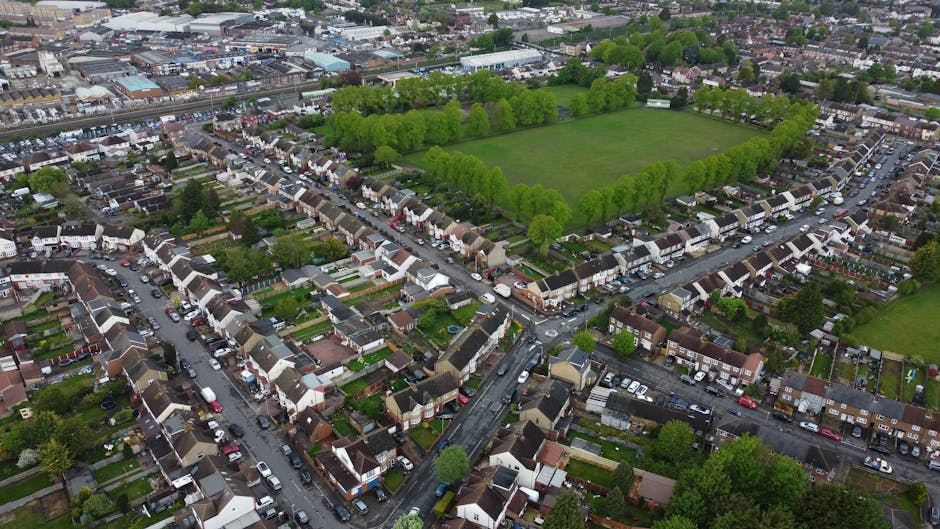
In Palmers Green, where residential streets, blocks of flats, and estate courtyards all sit close together, waste builds up quickly if there is no clear system. It tends to happen after move-outs, refurbishment work, garden tidy-ups, bulk clearances, or simply when residents do not know where to put larger items. The result is usually the same: clutter attracts more clutter. Once a patch looks neglected, people tend to add to it. Human nature, annoying as ever.
Good estate and street clearance helps prevent that spiral. It supports better access for residents, delivery drivers, cleaners, and emergency vehicles. It also makes a visible difference to how a neighbourhood feels. A well-kept frontage tells people the area is cared for. A cluttered one can do the opposite in an afternoon.
There is another angle too. Shared waste areas often reveal practical issues that individual households do not face: poor bin placement, weak access for collection crews, mixed waste contamination, and unclear responsibility between residents, managing agents, and contractors. Understanding those moving parts is the first step to making clearance work properly.
If you are comparing broader local clearance services, it may help to read about waste removal in Enfield alongside the page on recycling and sustainability, because estate clearance often works best when disposal and recycling are planned together.
How Palmers Green waste removal for streets and estates Works
At its simplest, the process is straightforward: identify the waste, arrange safe access, remove it efficiently, and dispose of it responsibly. In reality, there are usually a few more steps, especially where multiple residents, bin stores, parking restrictions, or narrow access points are involved.
A typical streets-and-estates clearance usually begins with a site review. That might be done from photographs, a call, or an on-site visit, depending on the amount and type of waste. The purpose is to understand what needs removing, whether the waste is mixed, and whether there are any access challenges. That sounds obvious, but it saves a huge amount of hassle later.
Then comes the collection plan. For estates, this may include timed arrival to avoid blocking residents, lifting bulky items from communal areas, and separating items that can be recycled. For street work, it can involve loading from roadside points, keeping paths clear, and minimising disruption to pedestrians and neighbours. A good team will think about the movement of people as much as the movement of waste.
Common materials in these jobs include household rubbish, broken furniture, bagged waste, old appliances, damaged fencing, garden cuttings, shed contents, and post-refurbishment debris. If the waste is from renovation or repairs, a service such as builders waste disposal in Enfield may be more relevant, especially where rubble, plasterboard, timber, or packaging has piled up.
Once loaded, the waste should be sorted for reuse, recycling, or disposal where possible. That final part matters more than people sometimes think. Estate waste is often mixed, but that does not mean it should be treated carelessly. The cleaner and better separated it is at source, the better the outcome usually is.
Key Benefits and Practical Advantages
The obvious benefit is a cleaner shared environment. But the practical advantages go beyond appearance. Here is what people usually notice first.
- Better shared access: walkways, fire exits, bin stores, and parking areas stay usable.
- Lower nuisance risk: less odour, fewer pests, and less temptation for fly-tippers to add more waste.
- Faster turnaround after changes: ideal after tenancy turnover, landscaping, repairs, or refurbishment.
- Improved resident satisfaction: people tend to relax when the communal area looks looked after.
- Less pressure on managing agents: a clear system reduces back-and-forth and avoids repeated complaints.
- Better recycling outcomes: reusable and recyclable items are easier to separate when the job is planned properly.
There is also a subtle but important effect on behaviour. Cleaner areas tend to stay cleaner. That is not just a nice slogan; it is something you can see in real life. If a courtyard is tidy, bags are less likely to be left there "just for now". If the bin store smells fresh and looks organised, residents are more likely to use it properly. Small things. They add up.
For households within shared estates, a page like house clearance in Enfield can also be helpful when the issue is driven by move-outs, probate clearances, or a flat that needs a complete reset rather than a simple rubbish pick-up.
Who This Is For and When It Makes Sense
Not every waste issue needs a full estate clearance. Sometimes a quick collection is enough. But streets and estates often benefit from a more organised approach when the same problems keep coming back. If that sounds familiar, this service is probably a good fit.
It is especially useful for:
- managing agents overseeing blocks or mixed-use estates
- resident associations trying to keep communal areas under control
- landlords dealing with turnover between tenancies
- housing teams or caretakers who need an extra hand after a build-up
- homeowners in roads where fly-tipping or side-street dumping is becoming a nuisance
- contractors finishing works and leaving waste in shared access areas
It also makes sense after events, seasonal clear-outs, and garden maintenance. You would be surprised how quickly a modest pile of hedge trimmings, broken planters, and old outdoor bits becomes a real eyesore. If the issue is mainly outdoor material, garden waste removal in Enfield may fit better.
For businesses operating near residential estates, an office clearance in Enfield can sometimes be part of the same conversation, especially if storage rooms, communal service areas, or small offices have spilled over with surplus furniture or packaging.
Truth be told, people often wait too long. They keep saying, "We'll sort it next week." Then next week becomes next month, and the pile seems to develop a personality of its own.
Step-by-Step Guidance
If you want streets and estate waste removal to run smoothly, a simple process works best. No drama, no overcomplication, just a decent plan.
- Identify the waste type. Is it general rubbish, bulky furniture, green waste, construction debris, or a mixed load?
- Map the access. Note stairwells, narrow gates, basement paths, parking restrictions, and any lifting issues.
- Decide who needs to be informed. Residents, caretakers, building managers, or contractors may all need a heads-up.
- Separate what can stay from what must go. Labels, storage cages, and marked piles help prevent accidental disposal.
- Check timing. Early morning or quieter daytime slots often reduce disruption. That said, every site is different.
- Remove items efficiently. Safe lifting, suitable vehicle access, and sensible loading order make a big difference.
- Final sweep. Once the waste is gone, a quick check for loose debris, nails, or sharp fragments keeps the space safer.
A small but useful tip: take "before" photos for internal records if you manage a block. They help with planning, resident communication, and follow-up if the same issue returns. Nothing fancy, just practical.
If you are gathering quotes or comparing job scope, the page on pricing and quotes is a sensible place to understand how jobs are typically assessed. Factors usually include load size, access, sorting time, and the type of material involved.
Expert Tips for Better Results
Over time, the best estate waste jobs tend to look simple from the outside because the planning was done properly. A few practical habits make a real difference.
- Keep waste streams separate where you can. Mixed loads are slower to handle and harder to recycle.
- Use signage in communal areas. A small sign near bin stores can stop a lot of avoidable confusion.
- Time clearances around bin days. It is easier to keep areas tidy when you are not working against collection schedules.
- Leave clear routes. Stairs, paths, and gates should stay open for residents at all times where possible.
- Watch for hidden waste. Behind sheds, under tarps, and in basement corners is where the surprise stuff likes to hide.
- Use recycling-conscious sorting. Wood, metal, cardboard, and reusable items should not automatically go in one pile.
One more thing: keep a record of recurring problem spots. If the same corner keeps attracting dumped bags, it may need better lighting, a bin adjustment, or a clearer reporting routine. The clearance itself helps, of course, but the real win is stopping the repeat problem.
For people who want the broader service picture and what to expect from a professional team, the about us page gives helpful background on the company approach and standards.
Common Mistakes to Avoid
Let's face it: most waste problems are not caused by one huge mistake. They are caused by lots of small ones that stack up.
Here are the ones worth avoiding.
- Leaving it too long. The longer waste sits in a shared area, the more likely it is to spread, smell, or attract additional dumping.
- Mixing everything together. It makes sorting harder and can increase the chance of avoidable disposal issues.
- Ignoring access constraints. A bulky item that looks easy from the street can be awkward through a narrow entry or stairwell.
- Not telling residents what is happening. Confusion leads to objections, blocked routes, and waste being moved back into the wrong place.
- Assuming the cheapest option is the best one. On estates, poor planning often costs more in the end.
- Skipping safety checks. Sharp edges, broken glass, and unstable stacks can all create avoidable risk.
One of the less obvious mistakes is treating communal waste like private household rubbish. Shared spaces need a slightly different mindset. More coordination. More care. A bit less "I'll just leave it here for now."
Tools, Resources and Recommendations
You do not need a warehouse full of equipment to manage street or estate waste well. A few practical tools and habits go a long way.
- Site notes or a simple checklist: useful for access details, bin locations, and known problem spots.
- Clear labelling: helps distinguish what is staying, what is going, and what needs separate handling.
- Photographs: helpful for record-keeping, quoting, and follow-up.
- Gloves and suitable PPE: particularly important where waste has sharp, dirty, or unstable contents.
- Resident communication templates: short notices work better than long, formal ones most of the time.
- Recycling guidance: especially useful when the clearance includes metal, wood, cardboard, or reusable furniture.
For environmentally conscious jobs, the page on recycling and sustainability is worth a look because estate clearances often have more recyclable material than people expect. A few sorted items can make a noticeable difference.
If payment handling matters for your organisation, you may also want to review payment and security. It is one of those boring-but-important pages. Not glamorous, but useful.
Law, Compliance, Standards, and Best Practice
Waste removal in the UK sits within a framework of duty, care, and common-sense handling. You do not need to memorise legal wording to make good decisions, but you should know the basics.
For shared streets and estates, the key principle is simple: waste should be stored, moved, and disposed of in a way that is safe, controlled, and traceable. In practice, that means using a reputable service, keeping clear records where needed, and avoiding any arrangement that leaves rubbish dumped without proper handling.
Where estate or communal waste includes mixed materials, extra care is needed. Some items are reusable, some recyclable, and some simply require disposal. The exact treatment depends on the load, and it is wise to be cautious rather than assume everything can be processed the same way.
Health and safety matter too. Communal spaces often have trip hazards, sharp fragments, awkward lifting conditions, and residents moving through the area while work is taking place. A professional team should work with that in mind and avoid turning a tidy-up into a hazard of its own. Nobody wants a "quick job" to become a small incident at 8:15 on a wet Tuesday morning.
It is also worth paying attention to the service provider's stated approach to safety and ethical practice. You can review those expectations in the site's insurance and safety information and the modern slavery statement for broader business standards.
Where appropriate, the service should align with normal UK waste handling best practice: careful loading, responsible disposal routes, and proper treatment of recyclable or reusable material. If you are managing a block, that is not just a nice extra. It protects residents, reputation, and the site itself.
Options, Methods, and Comparison Table
There is more than one way to deal with waste in Palmers Green streets and estates. The best choice depends on the volume, urgency, and type of material involved.
| Method | Best for | Strengths | Limitations |
|---|---|---|---|
| Routine bin collection support | Regular household waste in standard bins | Simple, familiar, low effort | Not suitable for bulky items or dumped waste |
| Ad hoc bulky waste removal | Furniture, appliances, mixed rubbish after clear-outs | Fast and flexible | Needs good access and clear waste identification |
| Communal estate clearance | Bin stores, courtyards, shared areas, repeated buildup | More controlled and systematic | May need coordination with residents or managers |
| Builders waste disposal | Refurbishment debris, timber, rubble, packaging | Suited to renovation jobs | Not ideal if the issue is mainly household rubbish |
| Full property clearance | Move-outs, voids, probate, complete resets | Thorough, efficient, good for big jobs | Can be more involved than a simple waste pick-up |
In real life, the choice is often a blend. A block may need one estate clearance now, followed by a lighter maintenance rhythm later. That is normal. No one size fits every site, despite what some people imply on a quick phone call.
Case Study or Real-World Example
Here is a realistic example based on the sort of scenario that comes up often in shared residential areas.
A small estate in Palmers Green had a recurring problem with waste accumulating near a rear access point. It started with a few bagged items left beside the bins after a tenant move-out. Then an old chair appeared. A broken shelf followed. Within days, the area looked neglected and the bin store became awkward to use.
The residents did not need a full rebuild or any dramatic intervention. They needed three things: the waste removed promptly, a better understanding of what belonged where, and a simple plan to prevent repeat build-up. The clearance team removed the bulky material, cleared the loose rubbish, and left the area usable again. After that, the managing agent updated resident notices and arranged a more regular check of the problem spot.
What changed most was not just the cleaned-up corner. It was confidence. Residents could see the site being looked after, and the area stopped attracting the same casual dumping. Not perfect forever - nothing is, really - but noticeably better.
That is the quiet value of estate clearance. It buys back order, and sometimes peace of mind too.
Practical Checklist
Before arranging clearance for streets or estates, run through this quick checklist. It saves time, and a few headaches.
- Identify whether the waste is household, bulky, garden, or construction-related.
- Check the access route for gates, stairs, parking, and narrow points.
- Mark anything that must not be removed.
- Confirm whether residents or contractors need notice.
- Group recyclable items where possible.
- Photograph the site if you manage the property or communal area.
- Choose a collection time that limits disruption.
- Ask about loading, disposal, and cleanup expectations.
- Review safety needs for sharp or heavy items.
- Plan a follow-up if the area has a history of repeat dumping.
Expert summary: The best Palmers Green waste removal for streets and estates is not just fast removal. It is a small, well-planned system that clears waste, protects access, and makes repeat problems less likely.
Conclusion
Palmers Green waste removal for streets and estates works best when it is treated as a practical maintenance task rather than a one-off panic response. Clean shared spaces make everyday life easier. They improve access, reduce nuisance, and help the whole area feel more cared for. And honestly, that matters more than people sometimes admit.
The key is simple: understand the waste, plan the access, remove it safely, and keep an eye on the problem spots after the clearance. Whether you are dealing with a cluttered bin area, a damaged furniture pile, or a more involved estate clean-up, the right approach makes a visible difference.
If you are comparing options or trying to work out the most sensible next step, start with a clear look at the job, then use the service information available on the site to narrow things down. Calm planning beats rushed clearing almost every time.
Get a free quote today and see how much you can save.
Sometimes a cleaner shared space is the simplest kind of progress, but you really do feel it straight away.


From a young age, Blair has cultivated a passion for order, which has now matured into a prosperous profession as a waste removal specialist. She derives satisfaction from transforming disorderly spaces into practical ones, aiding clients in conquering the burden of clutter.
 Tipper Van - Waste Removal and Rubbish Clearance Prices in Enfield, EN1
 Luton Van - Waste Removal and Rubbish Clearance Prices in Enfield, EN1