Rubbish removal guide for Enfield Town station area
Posted on 15/10/2026
If you are sorting out waste near Enfield Town station, the job can feel more awkward than it first looks. There are bins to think about, busy pavements, parking restrictions, shared access in flats, and the simple fact that rubbish has a habit of growing when you are not looking. This Rubbish removal guide for Enfield Town station area is here to make the whole thing easier to handle, whether you are clearing a flat, dealing with builders' leftovers, or just trying to get a room back under control without creating chaos in the hallway.
The aim is practical, not theoretical. You will find clear steps, sensible local advice, a comparison of removal options, and a straightforward checklist you can actually use. And yes, we will keep the jargon to a minimum. No one needs a lecture when they just want the old wardrobe gone.
Quick take: The best rubbish removal approach near Enfield Town station is usually the one that matches your access, timing, waste type, and how much lifting you want to do yourself. Simple enough, but getting that right saves time, money, and a lot of hassle.
For wider help with service choices, you can also look at the full service overview, pricing and quotes, and rubbish clearance in Enfield if you want to compare what kind of clearance is most suitable before booking anything.
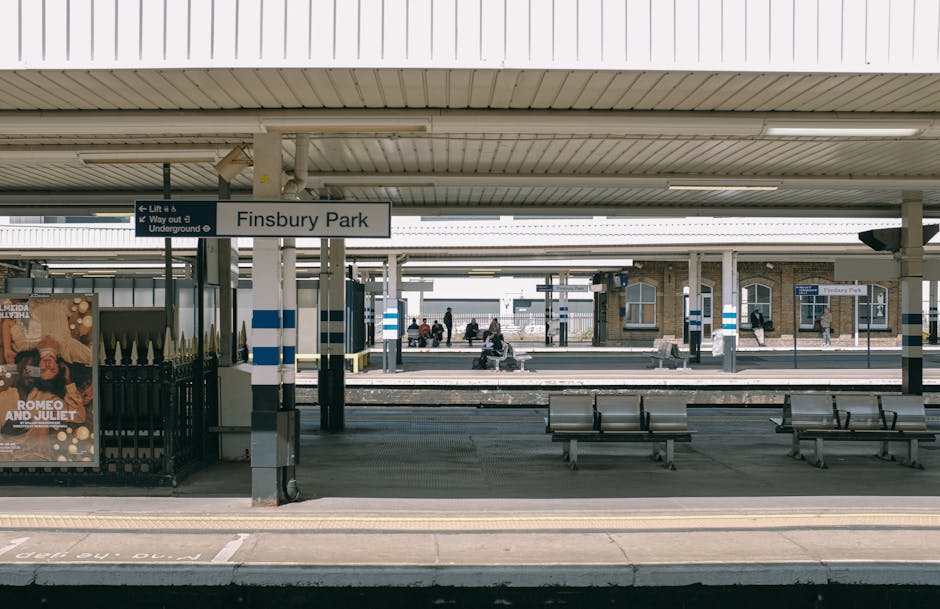
Why rubbish removal near Enfield Town station matters
Enfield Town station sits in a busy, lived-in part of town where homes, shops, offices, and public footfall all overlap. That matters because rubbish removal here is rarely just a matter of lifting a bag into a van. Access can be tighter. Parking can be less forgiving. Stairwells, loading space, and neighbour schedules all start to matter quickly.
In practical terms, waste left outside too long can become an eyesore, attract complaints, and block access for other residents or businesses. In flats and terraces especially, one awkward pile can turn into a shared problem overnight. Truth be told, the "I'll deal with it later" approach rarely works well in a station area where people are coming and going all day.
It also matters because the right removal choice can save you from overpaying or doing more lifting than you need to. A small household clear-out, a post-refurbishment load, or a move-out clean-up each calls for a different level of support. That is why a local, realistic plan beats guesswork every time.
How rubbish removal near Enfield Town station works
Most rubbish removal jobs follow a similar pattern: you identify what needs to go, choose a removal method, arrange access, and then have the waste collected, sorted, and taken away. Simple on paper, slightly less simple in real life. Especially if the item you want removed is sitting at the back of a second-floor flat or wedged behind a stack of boxes in a narrow passage.
For Enfield Town station area properties, the process often starts with a quick assessment of the waste type and volume. Is it general household clutter, garden waste, office furniture, or builders' rubble? The answer affects the vehicle size, the number of people needed, and whether any items need special handling. If you are dealing with mixed waste, that usually needs more careful sorting too.
Some people prefer a DIY run to the tip, but many choose a professional clearance because it reduces lifting, saves time, and avoids multiple journeys. If you are not sure which route fits, it helps to start with your actual rubbish rather than your ideal scenario. That sounds obvious, but people forget it all the time.
If the job involves a property emptying after tenants move out, a family house clearance, or a work space in need of reset, related guidance like house clearance in Enfield and office clearance support can be useful starting points.
Key benefits and practical advantages
The main benefit of arranging rubbish removal properly near Enfield Town station is peace of mind. You get the space back, yes, but you also reduce the small stress points that build up when waste sits around. A hallway feels bigger when it is not crowded. A flat feels cleaner when you are not stepping around old furniture. Small thing, big difference.
There are other benefits too:
- Faster turnaround if you need a room cleared before guests, tenants, or contractors arrive.
- Less physical effort if you would rather not drag awkward items down stairs.
- Better safety because loose rubbish, broken materials, and blocked access points create avoidable risks.
- More efficient disposal when items can be sorted, separated, and handled in one go.
- Cleaner presentation for homes going on the market, offices being vacated, or rooms being redecorated.
There is also a practical environmental angle. Many people want to avoid the wasteful route where everything is treated the same. If recycling and reuse matter to you, it is worth looking at recycling and sustainability practices before deciding how to dispose of the load.
Who this is for and when it makes sense
This kind of local rubbish removal is useful for a wide mix of people. If you live in a flat by the station, manage a rental property, run a small business, or are simply doing a long-overdue clear-out, you are probably in the right place.
It tends to make sense in these situations:
- moving house and needing bulky items removed quickly
- clearing old furniture, white goods, or broken household items
- dealing with post-renovation debris or packaging
- emptying a garden shed, loft, or storage area
- vacating an office or workroom
- getting a property ready for sale or letting
- needing a one-off tidy-up after a busy season or event
If your waste is a bit more specific, that helps narrow the best approach. For example, branches, soil, and hedge cuttings are very different from desks, plasterboard, or mattresses. And builders' waste is its own beast entirely. If that sounds familiar, garden waste removal and builders' waste disposal in Enfield are especially relevant service areas to explore.
There is also a local lifestyle angle. Enfield Town is busy but still very liveable, and many people use rubbish removal as part of a reset after a move, a renovation, or even one of those phases where life has simply got cluttered. We have all been there, honestly.
Step-by-step guidance
Here is a sensible way to approach rubbish removal in the Enfield Town station area without overcomplicating it.
- Identify the waste clearly. Separate furniture, general clutter, garden debris, electrical items, and building materials. This helps avoid delays later.
- Estimate the volume. Think in terms of bin bags, large items, and awkward shapes. A single sofa takes up more logistical space than three bags of clothing.
- Check access. Note staircases, narrow hallways, parking limits, timed loading restrictions, and whether entry needs to be coordinated with a concierge or landlord.
- Remove anything reusable or personal. It sounds obvious, but keys, documents, chargers, and sentimental bits often sneak into the pile.
- Decide on the best removal method. A small load might suit a quick collection; larger or heavier waste may need a fuller clearance.
- Get a quote based on the actual job. Accurate detail usually means a better match, fewer surprises, and less back-and-forth.
- Prepare the items for collection. Put smaller waste in manageable bags, group items by type, and leave clear access where possible.
- Confirm what happens to the waste. Ask how reusable items, recyclable materials, and residual waste are normally handled.
- Book a time that works for the area. Station-side jobs often go better outside peak congestion windows. Early morning can be calmer. Late afternoon, not always.
- Do a final sweep. Before the team leaves, check for overlooked items in cupboards, under beds, or behind doors. That last five-minute scan saves a second job.
If you are comparing services while planning, your rubbish removal needs can help you think through which type of clearance fits the situation best.
Expert tips for better results
One of the biggest improvements you can make is to sort waste before collection. Not obsessively. Just sensibly. Put cardboard with cardboard, garden cuttings with garden waste, and keep electricals separate if they need different handling. It speeds things up and often makes the job cleaner overall.
Another useful tip is to think about timing with the station area in mind. Around commuting peaks, the road gets busier and loading becomes fussier. If you can plan around those windows, the collection often feels much smoother. Less waiting, fewer awkward manoeuvres, fewer annoyed glances from passing pedestrians.
Here are a few more field-tested habits that help:
- photograph the waste before you request a quote
- measure bulky items if they might need to be carried through tight doorways
- tell the team about stairs, locks, or restricted access early
- keep fragile items and hazardous bits away from general waste
- bundle similar items together so loading is quicker
And one that people miss: if you are clearing a property for sale or rent, tidy the obvious surfaces first. A room looks calmer when the visible clutter is gone, even before everything has been physically removed. That little visual reset goes a long way. If you are handling a move or sale nearby, the local articles on Enfield real estate transactions and buying real estate in Enfield may also give helpful context.

Common mistakes to avoid
The most common mistake is underestimating the load. A pile that looks "small enough" in the morning can be a very different story once you begin lifting it. Bags get heavier. Furniture feels larger. The van suddenly looks... not that big after all.
Another one is mixing waste types without checking how they will be handled. General rubbish, wood, metal, garden waste, and construction debris may all need different sorting or disposal arrangements. If you throw everything together and assume it will sort itself out, you may end up with delays or extra work.
Other mistakes worth avoiding:
- blocking shared entrances or fire exits with rubbish
- forgetting to reserve access or parking where needed
- leaving collection until the last possible day
- failing to remove personal belongings from cupboards and drawers
- choosing the cheapest option without checking what is actually included
To be fair, most of these are not dramatic errors. They are just the kind of small oversights that make a straightforward job more annoying than it needs to be.
Tools, resources and recommendations
You do not need a warehouse of equipment to handle rubbish removal well, but a few simple tools make the job easier.
- Heavy-duty sacks for loose household waste
- Gloves for handling sharp or dusty items
- Labels or marker pens if you are sorting items by type
- Tape and wrap for keeping loose parts together
- Measuring tape for bulky items and tight access routes
- Phone camera for quick visual quotes and records
For homeowners, landlords, and office managers, it also helps to keep a simple note of what is being removed and what should stay. Sounds basic, but that note can save a lot of confusion when several people are involved. One person's "clear the back room" is another person's "don't touch the filing cabinet, please".
For more service context and practical decision-making, the pages on waste removal in Enfield, office clearance, and house clearance are useful if your situation crosses into those categories.
Law, compliance, standards, or best practice
Waste removal in the UK sits within a framework of common-sense duty and proper handling. Without getting too legalistic, the key idea is simple: waste should be managed responsibly, passed to the right handler, and not dumped where it could create nuisance or harm.
If you are a homeowner or tenant, your practical duty is usually to make sure rubbish is handed over to a legitimate removal service and not left for unsafe disposal. If you are a landlord, business owner, or managing agent, there is an even stronger need to keep records, use clear procedures, and avoid shortcuts. Best practice includes knowing what is being taken, where it is going, and whether the material needs special handling.
Special care is sensible for items such as:
- electrical goods
- paint, chemicals, or solvents
- sharp construction offcuts
- broken glass
- heavy materials that could cause injury when moved
Insurance and safe working methods matter too. If waste has to be carried through shared hallways, down stairs, or around vehicles, the risk profile changes. A responsible operator should think about loading safety, route planning, and how to reduce damage or injury. If you want a deeper sense of how safety is handled, see insurance and safety information.
There is also a trust point here. A well-run rubbish removal job should feel orderly, not improvised. No mystery bags, no random pile-ups in the entrance, no shrugging at obvious hazards. That is not being fussy. That is basic good practice.
Options, methods, or comparison table
There is no single best way to clear rubbish near Enfield Town station. The right option depends on how much you have, how fast you need it gone, and whether you want to do any of the lifting yourself.
| Method | Best for | Pros | Watch out for |
|---|---|---|---|
| DIY removal | Small loads, light items, people with a vehicle and time | Can be flexible and familiar | Multiple trips, lifting strain, parking, disposal rules |
| Wait-and-do-it-later approach | Very little, really | None in practice | Clutter builds up, access gets worse, stress rises |
| Professional rubbish collection | Mixed household waste, bulky items, faster turnaround | Less lifting, quicker completion, easier logistics | Needs clear info about access and waste type |
| Full property clearance | House moves, estate clearances, major decluttering, office vacates | Most comprehensive, best for larger jobs | Requires planning and a clear scope |
If your load is modest, a collection may be enough. If the job has spread into several rooms, or if there are stairs and heavy furniture involved, a fuller clearance usually makes more sense. There is no prize for making life harder than it needs to be.
Case study or real-world example
Here is a realistic example. A couple in a flat a short walk from Enfield Town station had just finished repainting their place and replacing a sofa, a bed frame, and a few cupboards. The problem was not the amount of rubbish alone; it was the logistics. The building had a narrow stairwell, limited parking outside, and a shared entrance that could not be blocked for long.
Instead of trying to do it over several weekends, they grouped everything in one room, separated cardboard from furniture, and cleared a path to the door. They took photos, noted the access details, and arranged a collection at a quieter time of day. The result? The job finished without the usual stop-start frustration, and the flat looked noticeably better by the afternoon. Nothing dramatic. Just efficient, calm, and done.
That kind of example shows the value of preparation. The waste itself was ordinary. The difference came from treating it like a proper project rather than a pile of random stuff. Very unglamorous, yes, but effective.
Practical checklist
Use this checklist before booking rubbish removal near Enfield Town station.
- Have I identified exactly what needs to go?
- Do I know whether the waste is general, garden, bulky, or builders' material?
- Have I checked access, stairs, and parking restrictions?
- Have I removed personal and valuable items?
- Are any items fragile, hazardous, or likely to need separate handling?
- Have I estimated the load realistically?
- Is the collection time sensible for the area?
- Do I want a small collection or a fuller clearance?
- Have I told the remover about any awkward entry points?
- Have I kept a quick photo record of the job?
If you can tick most of those off, you are already ahead of the game. Not perfect. Just prepared. And that usually does the trick.
Get a free quote today and see how much you can save.
Conclusion
Rubbish removal around Enfield Town station is easiest when you treat it as a practical logistics job, not a last-minute panic. Know what you have, plan for access, choose the right disposal route, and keep the waste type clear from the start. That alone solves a lot of the usual headaches.
Whether you are clearing a flat, tidying a garden, emptying an office, or sorting out builders' leftovers, a well-planned removal saves time and keeps the area safer and tidier for everyone. And in a busy station-side location, that matters more than people realise.
For a broader local perspective, you may also find the Enfield area guides useful, especially the Enfield area guide and the article on why Enfield is a good place to call home. They add helpful context if you are planning around a move, a renovation, or a longer-term reset.
Take it one step at a time. Clear the clutter, breathe a little easier, and let the space work for you again.

From a young age, Blair has cultivated a passion for order, which has now matured into a prosperous profession as a waste removal specialist. She derives satisfaction from transforming disorderly spaces into practical ones, aiding clients in conquering the burden of clutter.
 Tipper Van - Waste Removal and Rubbish Clearance Prices in Enfield, EN1
 Luton Van - Waste Removal and Rubbish Clearance Prices in Enfield, EN1