Southgate Green rubbish clearance for large gardens
Posted on 13/07/2026
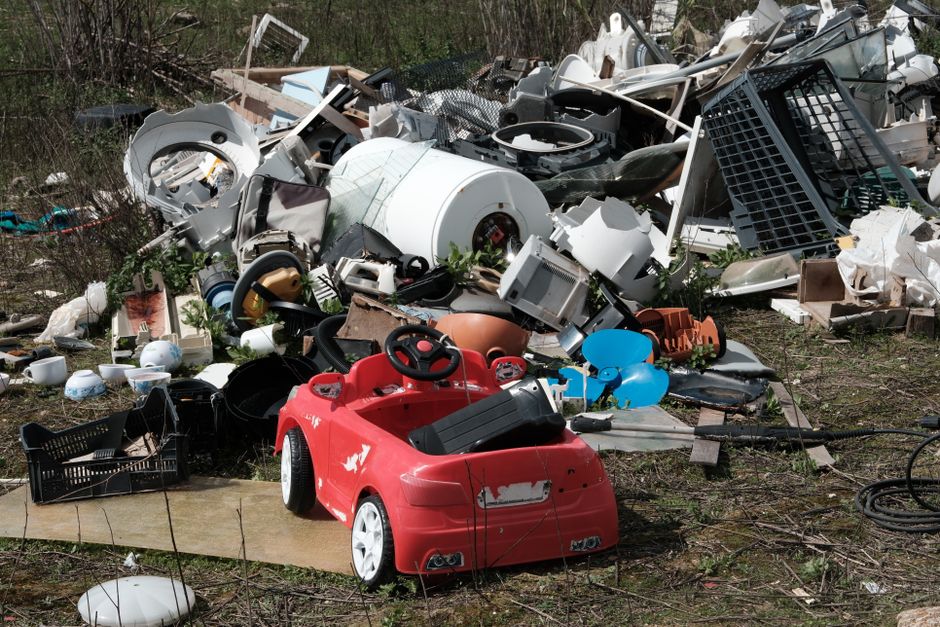
If you are dealing with a big garden in Southgate Green, you already know the difference between a tidy outdoor space and a half-finished one. One weekend it is a pile of hedge cuttings, broken fence panels and old plant pots. The next, it is bags of soil, branches, and the sort of garden clutter that seems to breed overnight. Southgate Green rubbish clearance for large gardens is about making that reset feel manageable, safe, and properly thorough rather than rushed. In practice, it means clearing bulky green waste, mixed outdoor rubbish, and heavy items from large plots without turning the job into a second renovation project.
This guide walks through how large-garden clearance works, what to watch for, and when it makes sense to bring in professional help. It also covers sensible planning, common mistakes, and a practical checklist you can actually use. If you are weighing up a one-off tidy-up or a bigger seasonal clearance, you will find the useful bits here.
- Why it matters
- How it works
- Key benefits
- Who it is for
- Step-by-step guidance
- Expert tips
- Common mistakes
- Tools, resources and recommendations
- Law, compliance and best practice
- Options and comparison
- Real-world example
- Practical checklist
- Conclusion
- Frequently asked questions
Why Southgate Green rubbish clearance for large gardens Matters
Large gardens are brilliant until the clearing starts. Then the scale becomes obvious. A small patio sweep can be done with a few sacks and a bin bag. A bigger outdoor space can produce far more waste than people expect: branches, roots, soil, turf, timber sleepers, broken sheds, old furniture, planters, fallen fruit boxes, and sometimes the odd mystery item that has been sitting behind a hedge for years. Southgate Green rubbish clearance for large gardens matters because the job is not just about removing visible clutter. It is about restoring usable space without causing damage to lawns, beds, pathways, or your back.
There is also a timing issue. In spring, many gardens need a proper cut-back. In late summer, growth can be relentless. After storms, windblown debris gathers fast. And if you are preparing to sell, rent, or simply enjoy the space again, a half-cleared garden can make the whole property feel tired. To be fair, nothing makes a large plot feel smaller than a heap of waste waiting for "next weekend".
For local households, landlords, and property managers, a proper clearance can also reduce trip hazards, damp traps, blocked access routes, and the general mess that builds up when waste is left in stages. If you are also dealing with other household items, it can help to look at wider service options such as garden waste removal in Enfield or broader rubbish clearance in Enfield where the waste is not purely green.
How Southgate Green rubbish clearance for large gardens Works
In simple terms, the process usually begins with sorting. Large gardens often produce mixed waste, and that needs a bit of judgement. Green waste such as hedge trimmings, leaves, branches and weeds can often be separated from non-green items such as broken fencing, old compost bags, rusted tools, or outdoor furniture. That split matters because it affects loading, recycling options, and the overall efficiency of the job.
Once sorted, the waste is collected from accessible points around the garden. For bigger properties, this might mean using side access, a driveway, a rear gate, or carrying waste through a house if there is no other route. That is where careful planning helps. A crew that knows how to move through narrow paths, uneven lawns, or tight side returns can save a lot of time and reduce the risk of damage.
A good clearance also includes a brief look at what is worth keeping separate. Soil, rubble, treated wood, and certain garden chemicals are not handled in the same way as foliage or general outdoor junk. If the garden has become a bit of everything, not to worry - that is normal. The point is to keep the load safe, legal, and practical.
If you want a wider picture of how a service visit may be structured, the page on available clearance services is a useful starting point. It helps set expectations before the team arrives, which is one of those little things that makes the whole day smoother.
Key Benefits and Practical Advantages
There are obvious benefits to clearing a large garden, but the best ones are often the practical ones people notice afterwards. The space feels easier to use. The boundaries look sharper. You can finally see what needs repair and what can stay. And once the waste is gone, the garden stops feeling like an ongoing project that has quietly taken over your weekends.
Here are the main advantages people tend to value most:
- More usable space: clearing away bulky material makes lawns, beds, and seating areas workable again.
- Better access: paths, gates, sheds, and side returns are easier to use when waste is not stacked everywhere.
- Lower stress: one properly organised clearance is usually less draining than ten small trips to the tip.
- Cleaner presentation: useful for homeowners, landlords, or anyone preparing a property for viewings.
- Safer garden conditions: fewer sharp objects, unstable piles, slippery patches, and blocked walkways.
- More recycling potential: sorted garden waste is easier to direct into the right waste stream.
There is also a less glamorous benefit: momentum. Once the big waste is gone, everything else gets easier. Pruning feels simpler. Edging looks worthwhile. Even the boring jobs become less irritating. Strange but true.
For customers who want to keep the whole job environmentally sensible, it can help to read about recycling and sustainability practices. That page supports a more thoughtful approach to disposal, which matters when you are dealing with a lot of organic waste or mixed materials from a big outdoor clear-up.
Who This Is For and When It Makes Sense
Large-garden clearance is not only for people with dramatic jungle-like plots, though those do happen. It is useful for a wide range of real-life situations.
You may need it if you are:
- a homeowner with an overgrown or neglected garden
- preparing a property for sale, letting, or handover
- clearing up after landscaping or hedge cutting
- removing old outdoor furniture, sheds, or play equipment
- dealing with a garden that has mixed waste after renovation work
- managing a large rental property with heavy seasonal build-up
- supporting a relative or neighbour with a garden that has become too much to tackle alone
It also makes sense when the waste is awkward rather than just abundant. Long branches, wet soil, root balls, broken trellis, and old timber can be far more difficult than a pile of grass clippings. If the job starts to look like a workout plan nobody asked for, that is usually a sign to stop and plan properly.
Sometimes the need extends beyond the garden itself. If a property is being fully turned around, house contents, loft debris, or garage overflow may be part of the same project. In that case, a more complete service like house clearance in Enfield may be the better fit.
Step-by-Step Guidance
A large-garden clearance is much easier when you treat it like a sequence rather than one giant chore. Here is a practical way to approach it.
- Walk the garden first. Look at every corner, side return, shed area, raised bed, and hidden strip along fences. You will often find more waste than expected.
- Separate the waste types. Keep green waste apart from timber, rubble, and general rubbish where possible. It speeds up loading and sorting.
- Mark the access route. Decide how items will leave the garden. Protect narrow paths, soft lawn edges, and any delicate surfaces.
- Identify awkward items early. Large logs, broken panels, old compost sacks, and waterlogged pots are best handled differently from light clippings.
- Check for hazards. Glass, nails, hidden wire, insects, and unstable piles can all create problems if nobody notices them first.
- Estimate the volume honestly. Large gardens can fill far more space than a couple of household bins. Underestimating this is where people get stuck.
- Decide what can be recycled. Some materials are better sorted before loading, especially wood, metal, and organic waste.
- Choose a disposal route that fits the job. A one-off clearance, recurring maintenance visits, or broader waste removal all suit different needs.
In our experience, the people who do best are the ones who spend ten minutes planning before they lift a single bag. It sounds obvious. It is obvious. Yet many jobs go sideways because the first pile gets moved before anyone has thought about the route out.
Expert Tips for Better Results
Large-garden clearances are won in the details. A few small habits can make the whole process cleaner, quicker, and less stressful.
- Start with the heaviest items. Branches, sleepers, and wet soil are easier to manage before the lighter stuff gets in the way.
- Work from the back forward. This avoids re-crossing cleared areas and trampling over finished sections.
- Keep green waste dry where possible. Wet clippings and soaked leaves get heavier fast. Heavier means more work, and more mess.
- Bundle long material neatly. Tied branches and stacked timber are safer to move than loose, spiky piles.
- Do a final sweep for hidden waste. Small items get left behind easily under shrubs and decking edges.
One small but useful tip: if your garden has several zones, clear one zone fully before moving to the next. It gives you a visible win early on, which honestly helps more than people admit. Motivation matters. Even in rubbish clearance, weirdly enough.
If the work follows building or landscaping, it may be worth checking builders waste disposal in Enfield too, because many large gardens end up with a mixed load of soil, timber, packaging, and renovation debris.
Common Mistakes to Avoid
A big garden can hide a lot of avoidable problems. Here are the errors we see most often, and they are usually easy to prevent.
- Leaving sorting too late. If everything goes in one pile, disposal becomes slower and less tidy.
- Underestimating weight. Soil, wet leaves, and treated timber are heavy. Very heavy. A bag that looks manageable can surprise you.
- Blocking the only exit route. This is the classic mistake. Waste piles suddenly become a maze.
- Ignoring safety gear. Gloves, sturdy shoes, and eye protection may feel basic, but they prevent silly injuries.
- Mixing hazardous items with general waste. Old chemicals, sharp metal, and contaminated materials should never just be thrown in with everything else.
- Trying to finish in one go without a plan. That usually leads to fatigue, poor sorting, and extra mess.
Truth be told, the biggest mistake is often optimism. A little optimism is fine. Too much, and the job turns into an all-day slog with bags sitting on the patio at dusk.
Tools, Resources and Recommendations
You do not need a shed full of specialist kit, but a few simple tools can make a large-garden clearance much easier.
| Tool or resource | Best use | Why it helps |
|---|---|---|
| Heavy-duty gloves | Handling branches, broken wood, and rough waste | Protects hands from cuts and splinters |
| Sturdy sacks or bags | Collecting green waste and smaller mixed items | Makes lifting and loading safer |
| Wheelbarrow or sack truck | Moving bulky material across larger plots | Saves energy and reduces strain |
| Loppers or pruning saw | Cutting branches into manageable lengths | Improves stacking and speed |
| Tarpaulin | Temporary staging area for cleared waste | Helps keep piles contained and off damp ground |
For many people, the best "resource" is not a tool at all. It is a clear decision about what the garden is for. If you know you want a play space, a low-maintenance border, or room for outdoor seating, the clearance becomes more focused. Without that decision, waste removal can drift into endless tidying with no real finish line. Nobody wants that.
If you are comparing waste routes and service styles, the page on waste removal in Enfield can help frame the wider choice between one-off clearance and broader waste handling.
Law, Compliance, Standards, or Best Practice
When garden waste and mixed rubbish are being removed, it is wise to think in terms of responsible disposal rather than simply "getting rid of it". In the UK, householders still have a duty to make sure their waste goes to a legitimate carrier and is not fly-tipped. That part matters. If waste is dumped illegally after collection, the original owner can still face questions if the transfer was not handled properly.
Best practice is straightforward, even if the details vary depending on the waste type:
- keep garden waste separate from hazardous items where possible
- avoid mixing soil, rubble, and green waste unless the disposal route accepts it
- do not burn waste without checking local restrictions and safety implications
- handle treated timber, chemicals, asbestos, or sharp metal with extra caution
- use a service that can explain how waste will be sorted and removed
Insurance and safety are part of that picture too. Moving heavy or awkward loads through a property can create damage if the route is not protected, and trips on slippery paving or uneven steps are not worth taking. A sensible provider should be able to work carefully and explain how they approach access, lifting, and disposal. The page on insurance and safety is worth reading if you want more reassurance on that side of things.
And yes, paperwork can be dull. But when waste is bulky and mixed, dull paperwork is usually a good sign. It means the job is being handled properly rather than casually.
Options, Methods, or Comparison Table
There is no single right way to clear a large garden. The best choice depends on the scale of the waste, your time, and how much lifting you want to do yourself.
| Method | Best for | Pros | Trade-offs |
|---|---|---|---|
| DIY clearance | Small to medium jobs with light green waste | Flexible, hands-on, low cost if you already have tools | Time-consuming, physically demanding, tricky for bulky items |
| Mixed waste pickup | Gardens with branches, old outdoor items, and general rubbish | Handles more than one waste type in a single visit | Needs careful sorting and sensible access planning |
| Garden-specific removal | Heavy seasonal pruning or overgrowth clear-outs | Efficient for hedge cuttings, foliage, and organic waste | Less suitable if the garden also has lots of non-green debris |
| Full property clearance | Whole-site clean-ups or move-outs | Covers garden, house, garage, and other overflow in one plan | More involved and requires broader scheduling |
For many Southgate Green homes, the answer sits somewhere between garden-specific removal and mixed waste pickup. The neatest-looking garden jobs often include a bit of both, especially after a long season of growth or a renovation. That is normal.
Case Study or Real-World Example
Picture a large rear garden in Southgate Green after a spring tidy-up. The lawn is fine, but the edges have filled out, the hedge has been cut back, and the side return contains old pots, a collapsed planter, a stack of broken trellis, and a few bags of soil. Nothing dramatic on its own. Together, though, it is a proper job.
The homeowner starts by separating green waste from hard waste. The hedge trimmings go into bundles. The old timber is stacked flat. The pots are grouped so they do not crack further. Access through the side return is checked before anything is moved. One narrow stretch of paving is covered to protect it from scraping. The waste is then taken out in stages rather than all at once.
What changed the outcome was not brute force. It was sequence. The garden felt calmer almost immediately once the first bulky items were gone. By the time the final sweep was done, the space looked bigger, brighter, and oddly more peaceful - that slightly damp, leafy smell after a clearance had lifted. Not glamorous, but satisfying.
That kind of result is exactly why larger gardens benefit from planned clearance rather than ad hoc removal. A tidy garden is easier to maintain. And once it is back under control, it stays that way longer.
Practical Checklist
Use this checklist before starting a large-garden clearance. It keeps the job grounded and saves a lot of backtracking.
- Walk the full garden and note all waste zones
- Separate green waste, timber, rubble, and general rubbish
- Check gates, paths, and side access for width and obstacles
- Remove obvious hazards such as glass, wire, and loose nails
- Decide which items need special handling
- Gather gloves, sacks, cutting tools, and a wheelbarrow if needed
- Protect delicate paving, lawns, and walls along the route out
- Estimate whether the waste is too bulky for a simple DIY approach
- Plan where the waste will be staged before collection
- Leave the final sweep until the end, not the beginning
If you are not sure whether your job is mostly garden waste or part of a broader clear-out, it can help to look at your rubbish removal needs and match the service more closely to the mess in front of you. That sounds blunt, but it is usually the fastest way to avoid overpaying or underplanning.
Get a free quote today and see how much you can save.
Conclusion
Southgate Green rubbish clearance for large gardens is really about restoring control. When a garden has grown beyond the point of a quick tidy, the right approach is calm, organised, and practical. Sort the waste properly, plan the access, respect the weight of the job, and choose a disposal route that matches the materials involved. That way, you are not just removing rubbish. You are reclaiming the space.
For many homeowners, the payoff is immediate. You can see the garden again. You can move through it without weaving around piles. You can imagine what comes next. A seating area, a better lawn, a fresh border, maybe just a quieter place to sit with a mug of tea and hear the birds. Small thing, really. But it changes the feel of the home.
If the job has got bigger than you expected, that does not mean you have failed at it. It just means the garden needed more than enthusiasm. And honestly, that happens a lot.


From a young age, Blair has cultivated a passion for order, which has now matured into a prosperous profession as a waste removal specialist. She derives satisfaction from transforming disorderly spaces into practical ones, aiding clients in conquering the burden of clutter.
 Tipper Van - Waste Removal and Rubbish Clearance Prices in Enfield, EN1
 Luton Van - Waste Removal and Rubbish Clearance Prices in Enfield, EN1